Semax vs Selank: A Research Comparison
Semax and Selank are both Russian-developed research heptapeptides studied in CNS models, but they descend from unrelated parent molecules and are studied for different pathways. Semax is an ACTH(4-10) analog studied for neurotrophic (BDNF) signaling, while Selank is a tuftsin analog studied for neuropeptide, GABAergic, and immunomodulatory pathways. Both are for research use only.
Mechanism contrast: different parents, different pathways
The shared heptapeptide length is coincidental; the receptors and pathways under study differ. Semax (Met-Glu-His-Phe-Pro-Gly-Pro) is an analog of the ACTH(4-10) melanocortin fragment, studied within neurotrophic signaling and frequently referenced in research for its association with brain-derived neurotrophic factor (BDNF) and related neuroprotective pathways.
Selank (Thr-Lys-Pro-Arg-Pro-Gly-Pro) is built on the immunopeptide tuftsin extended with a proline-glycine-proline tail, and is studied within neuropeptide signaling, GABAergic modulation, and tuftsin-related immunomodulation. The distinct parent molecules, one melanocortin-derived and one tuftsin-derived, are the root of their different research profiles.
Research context and clinical-literature status
Both compounds emerged from Russian academic research programs, and both have been the subject of human clinical investigation reported in the research literature: Semax has been studied in clinical research on ischemic cerebrovascular events and cognitive endpoints, and Selank has been studied in clinical research on anxiety-related endpoints.
Neither is approved by the FDA or EMA, and outside Russia both are handled as research compounds. These statements describe the state of the published research in the third person; they are not human-use claims for Pinnacle's materials, which are supplied strictly for laboratory research.
Handling parity
As lyophilized heptapeptides of similar size (Semax near 813.9 g/mol, Selank near 751.9 g/mol), the two are handled identically in the laboratory: stored as powder at -20°C protected from light, reconstituted with bacteriostatic water directed gently against the vial wall rather than shaken, then refrigerated with freeze-thaw cycles minimized.
This handling parity means storage and reconstitution rarely act as confounding variables when the two are studied side by side. Each ships with a lot-matched Certificate of Analysis reporting HPLC purity and mass-spectrometry identity; confirm net peptide content and salt form there before weighing out material.
How researchers choose between them
Selection follows the pathway under study. Work on neurotrophic signaling, BDNF, or neuroprotection tends to reference Semax, while work on GABAergic or anxiety-related neuropeptide signaling and tuftsin-linked immunomodulation tends to reference Selank. Because their mechanisms are complementary rather than overlapping, some CNS research programs reference both as a paired nootropic tool set.
A related cognitive-research compound, P21, sits in a different class again as a CNTF-derived peptidomimetic, so researchers comparing neurotrophic tool compounds sometimes place Semax, Selank, and P21 on the same bench to contrast melanocortin-derived, tuftsin-derived, and CNTF-derived approaches.
All products are intended strictly for in-vitro laboratory research and development use only. Not for human or veterinary use, not a drug, food, or cosmetic, and not intended to diagnose, treat, cure, or prevent any disease.
Related research peptides
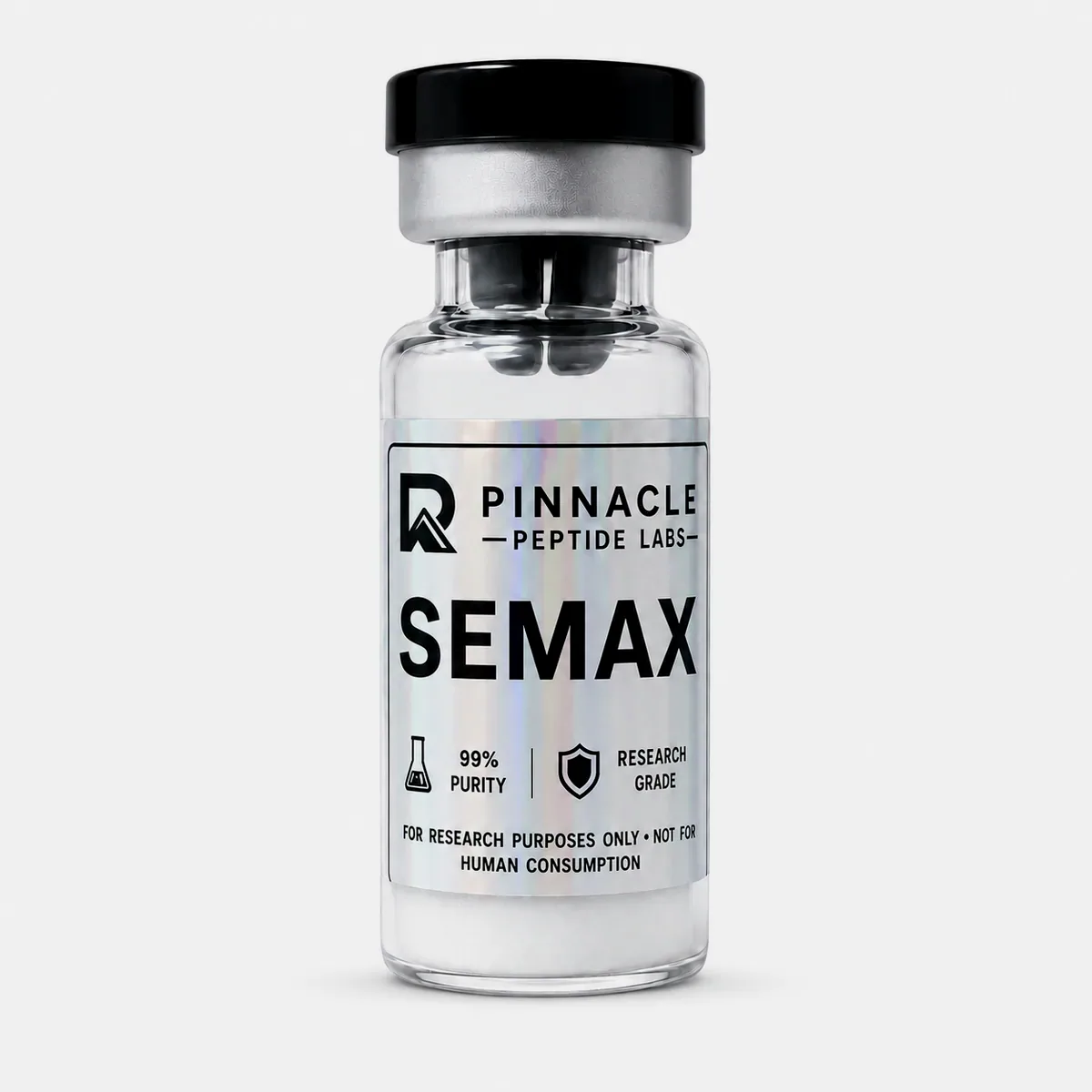
Semax 10mg
COA included, doctoral chemist tested
A heptapeptide ACTH(4-7) analog studied within neurotrophic (BDNF) signaling and neuroprotection research.
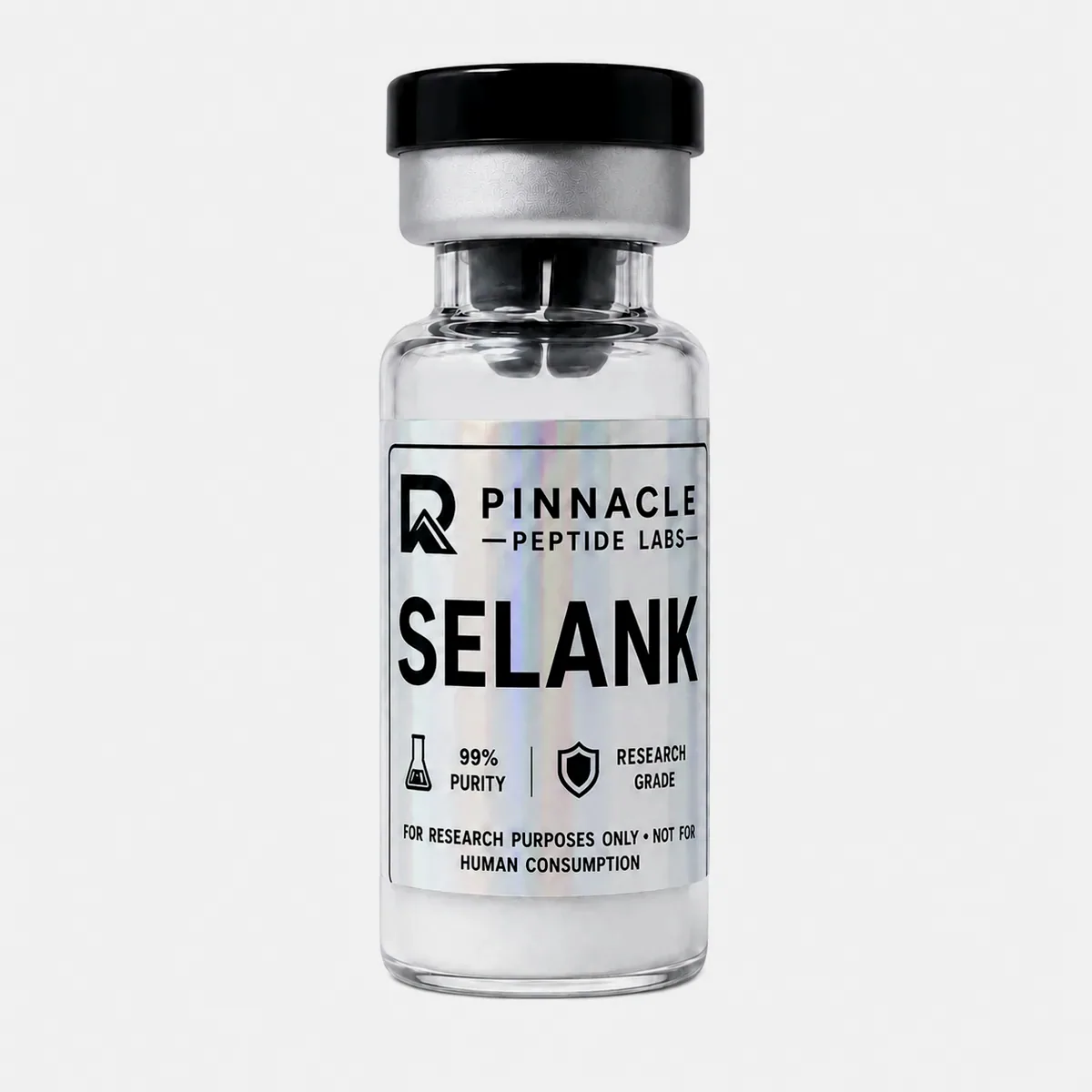
Selank 10mg
COA included, doctoral chemist tested
A tuftsin-analog heptapeptide studied within neuropeptide signaling and immunomodulation research.