Research Peptide Compliance and Labeling Explained
Research-use-only (RUO) labeling signals that a product is intended strictly for in-vitro laboratory research and development and is not a drug, food, or cosmetic for human or veterinary use. Compliant suppliers carry that framing consistently across labels, product pages, and documentation, and they avoid any human-use, dosing, or therapeutic claims. Buyers are responsible for understanding and following the rules that apply to research materials in their own jurisdiction. This article is general information about how labeling and compliance are framed, not legal advice.
What 'research use only' means
Research-use-only is a statement of intended use. It tells you the material is supplied for controlled laboratory and preclinical research, and that it is not a drug, food, or cosmetic and is not intended to diagnose, treat, cure, or prevent any disease, or to be introduced into humans or animals. It is a scope, not a slogan.
That scope is why every compound description on a compliant site refers to what a peptide is studied for in research models, never to an effect in people. The framing is not a disclaimer bolted on at the end; it defines what the product actually is.
What a compliant label and listing look like
On the label and the product page, compliant framing shows up as consistent research-use-only language, identity information tied to a specific lot, and handling and storage guidance. What is absent is just as telling: no suggested human dose, no therapeutic benefit claims, and no testimonials presented as medical outcomes.
Documentation is part of the label story. A lot-matched Certificate of Analysis stating measured purity and confirmed identity is the record that backs the product description. A listing that makes strong claims but cannot produce that documentation is describing marketing, not material.
How compliant suppliers position their products
A supplier that takes compliance seriously keeps the research-use-only posture everywhere, not just in the fine print. Its category pages, article content, and support answers all stay within research framing. It does not drift into dosing charts or human-use language when describing what a compound does.
This consistency is a useful proxy signal. An operation that is disciplined about how it describes its products tends to be disciplined about the obligations behind them, such as testing and documentation. Conversely, a supplier willing to make human-use claims has already shown where its priorities sit.
The buyer's general responsibilities
In general terms, the buyer is responsible for knowing and following the rules that govern research materials where they operate. Regulations differ by jurisdiction and change over time, so this is an area where a researcher confirms the current requirements that apply to them rather than relying on a supplier's summary.
Because those requirements vary and are outside the scope of any single article, nothing here should be read as legal advice. The practical posture is straightforward: buy from suppliers whose labeling and documentation are consistent, keep material within its research-use-only scope, and treat compliance as your own responsibility.
All products are intended strictly for in-vitro laboratory research and development use only. Not for human or veterinary use, not a drug, food, or cosmetic, and not intended to diagnose, treat, cure, or prevent any disease.
Related research peptides
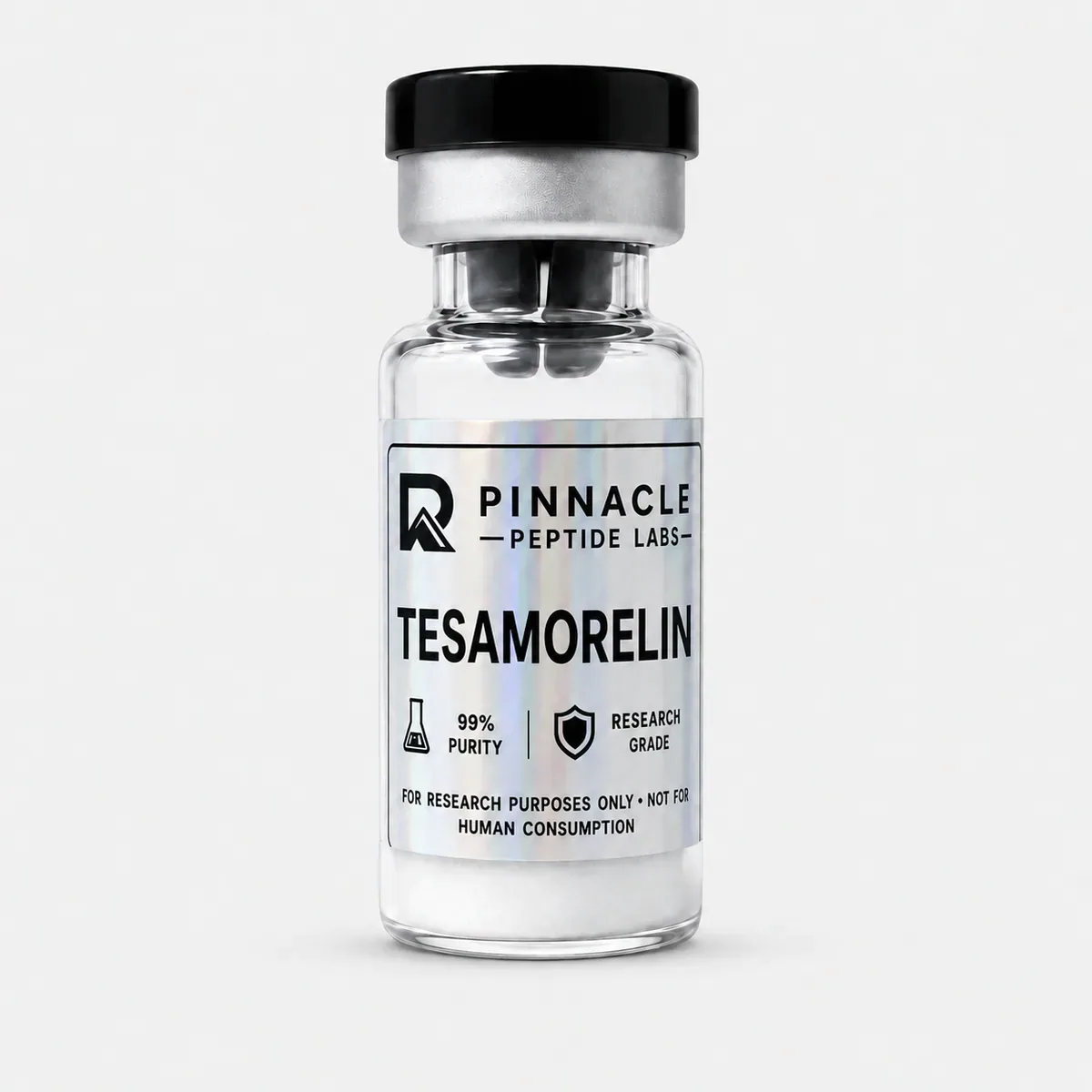
Tesamorelin 10mg
COA included, doctoral chemist tested
A stabilized growth hormone-releasing factor analog studied for its effects on GH secretion pathways in laboratory models.
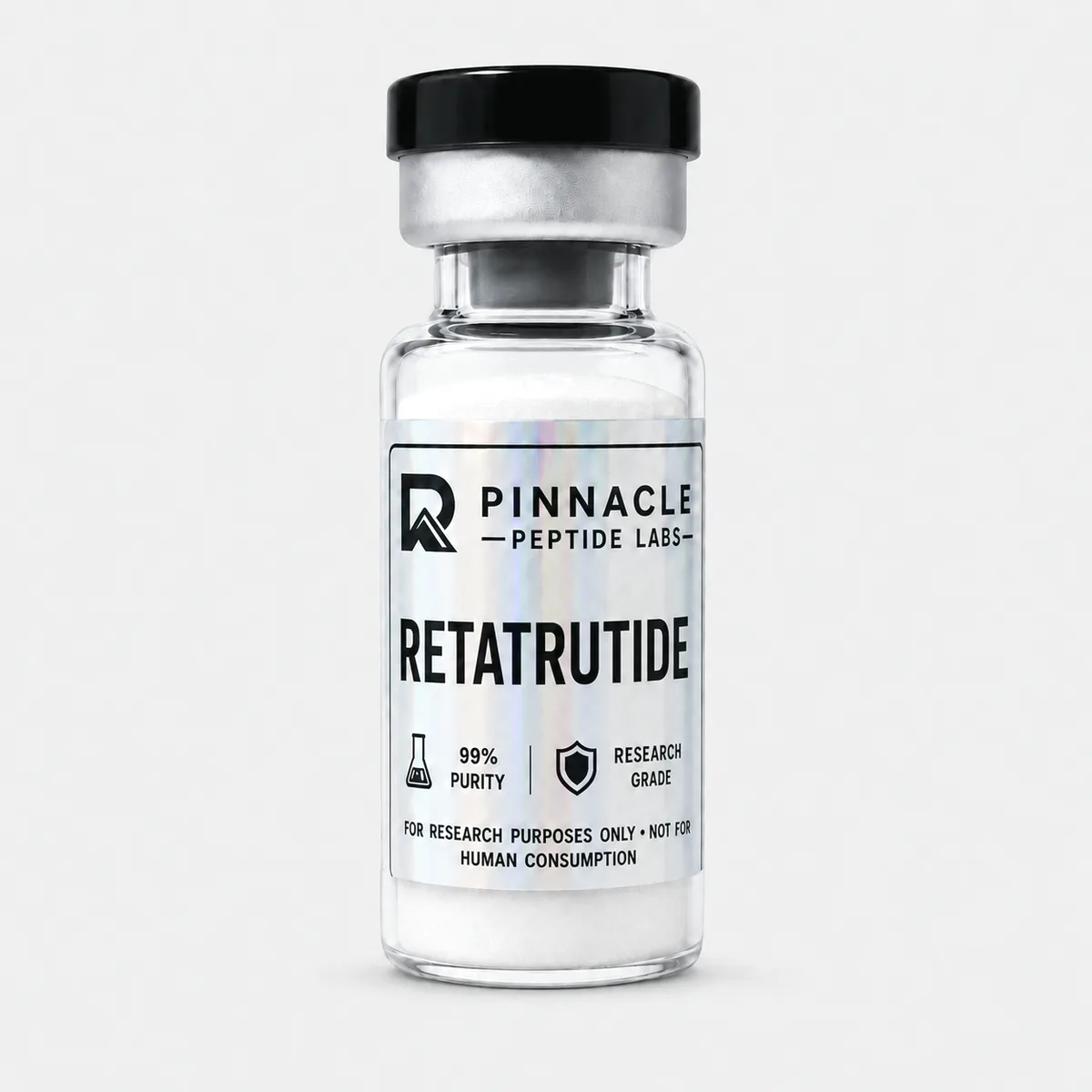
GLP-3RT 20mg
COA included, doctoral chemist tested
A next-generation triple-receptor agonist studied within metabolic, glucose-regulation, and energy-homeostasis research pathways.