How to Choose a Research Peptide Supplier
Choose a research peptide supplier by verifying seven things: independent third-party testing, Certificates of Analysis matched to your exact lot number, a clearly stated purity threshold, molecular-identity confirmation by mass spectrometry, transparent manufacturing and sourcing, proper research-use-only positioning with no human-use claims, and responsive documentation-first support. Any supplier that markets peptides for human consumption or hides its test data should be avoided.
1. Independent, third-party testing
In-house testing has an inherent conflict of interest. Independent laboratory testing means the purity and identity data come from a party with no stake in the result. This is the difference between a marketing claim and verifiable evidence.
2. Lot-matched Certificates of Analysis
A COA is only useful if it corresponds to the exact lot you receive. Suppliers who publish a single generic report, or none at all, are asking you to take purity on faith. Look for a searchable COA library keyed to lot numbers.
3. A stated purity threshold and 4. identity confirmation
A credible supplier states the minimum purity every released batch must clear, and confirms molecular identity by mass spectrometry alongside HPLC purity. Purity without identity is only half the picture.
5. Transparent sourcing and 6. compliant positioning
Look for clarity on where and how material is manufactured. Just as important: the supplier should position everything as research-use-only, with no dosing charts, no human testimonials framed as medical outcomes, and no therapeutic claims. Compliant positioning is a strong proxy for an operation that takes the rest of its obligations seriously.
7. Documentation-first support
Finally, test the support experience. A supplier that can quickly produce a specific lot's COA and answer handling questions treats documentation as the product, which is exactly the posture serious research supply requires.
All products are intended strictly for in-vitro laboratory research and development use only. Not for human or veterinary use, not a drug, food, or cosmetic, and not intended to diagnose, treat, cure, or prevent any disease.
Related research peptides
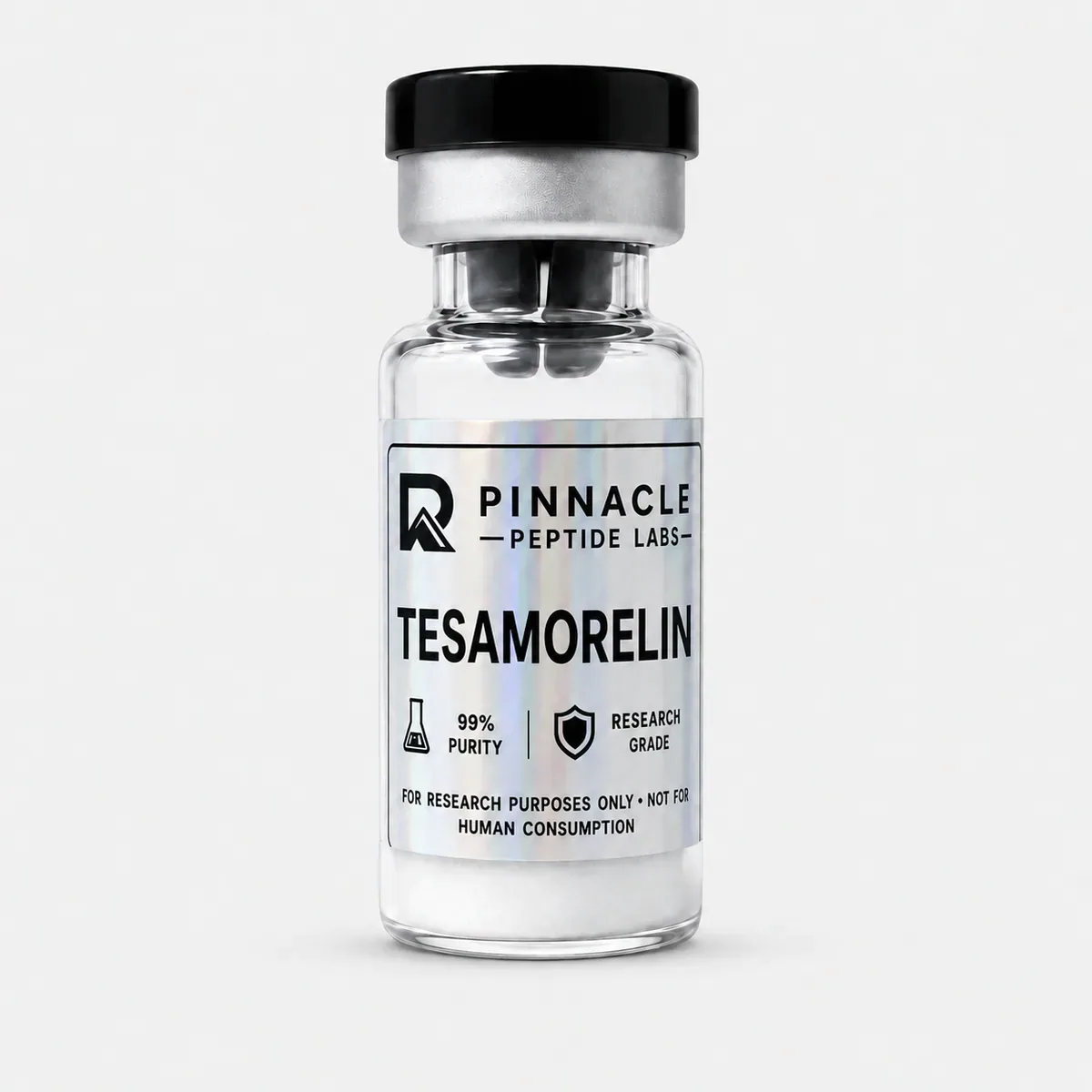
Tesamorelin 10mg
COA included, doctoral chemist tested
A stabilized growth hormone-releasing factor analog studied for its effects on GH secretion pathways in laboratory models.
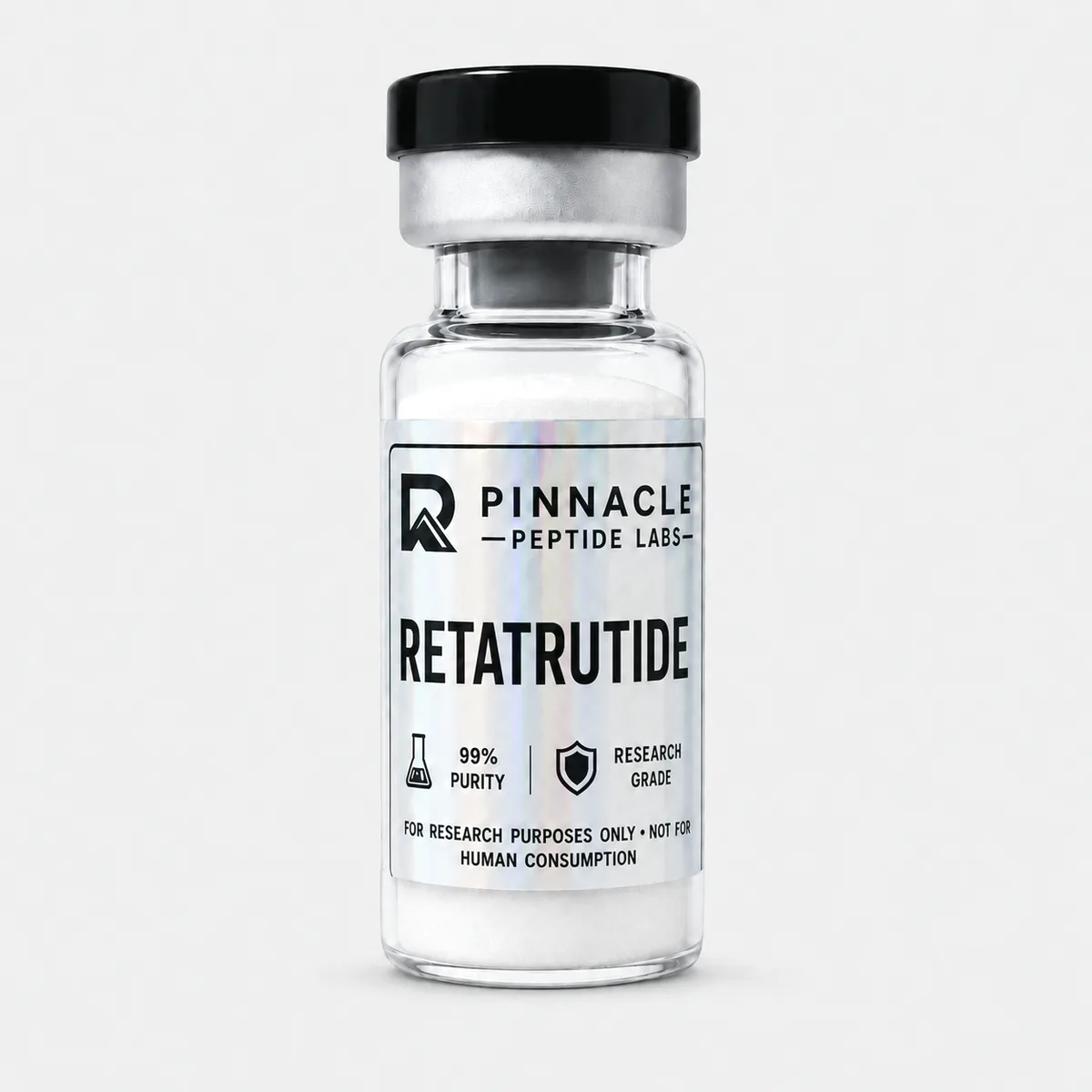
GLP-3RT 20mg
COA included, doctoral chemist tested
A next-generation triple-receptor agonist studied within metabolic, glucose-regulation, and energy-homeostasis research pathways.
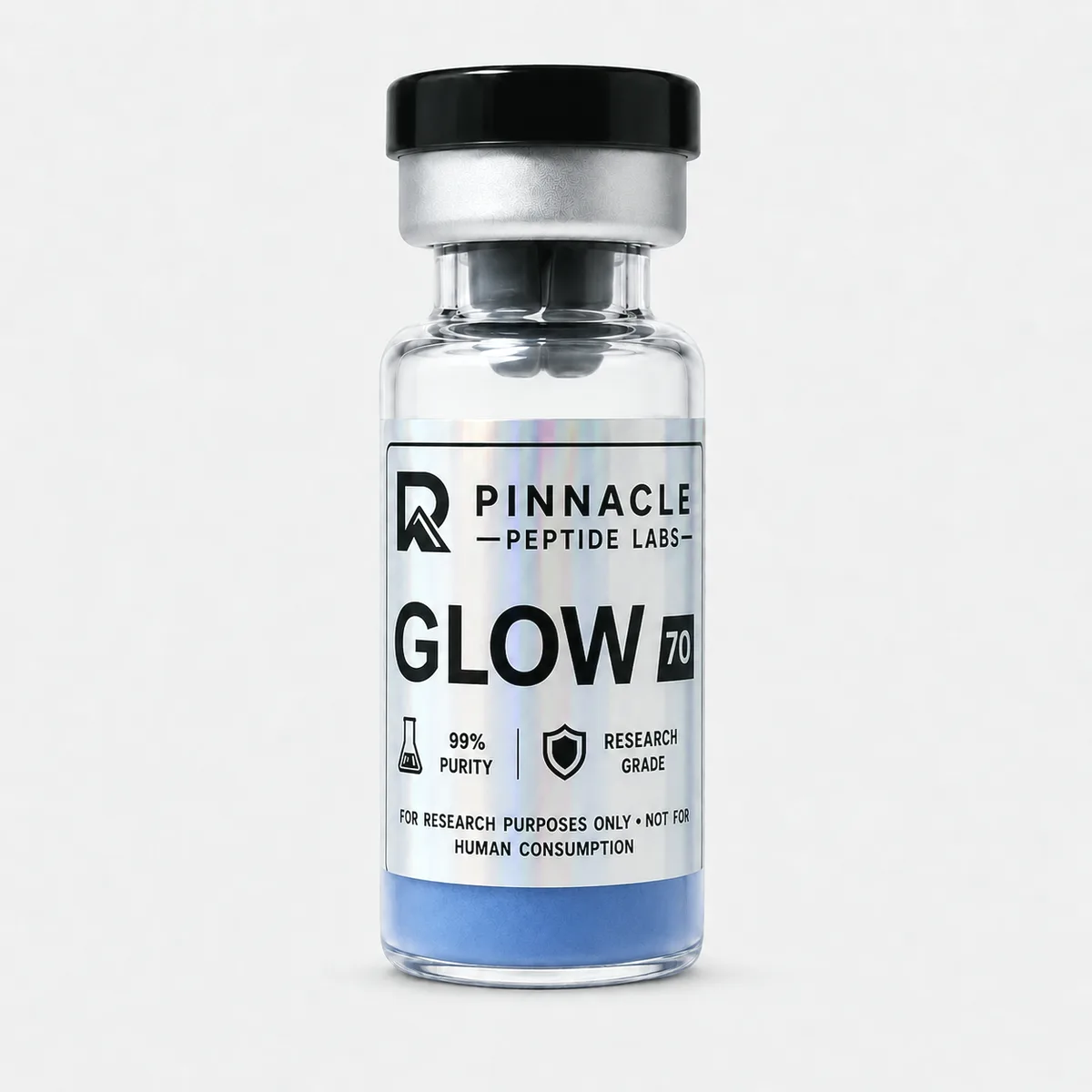
GLOW-70 70mg Blend
COA included, doctoral chemist tested
A tri-peptide research blend combining GHK-Cu, BPC-157, and TB-500, studied for tissue-repair and cellular-regeneration pathways.