How to Read a Peptide Certificate of Analysis (COA)
A peptide Certificate of Analysis (COA) is an independent laboratory report that documents, for one specific production lot, the peptide's measured purity (by HPLC), its confirmed molecular identity (by mass spectrometry), and its physical characteristics. To read one, match the lot number to your vial, confirm the HPLC purity meets the stated threshold, verify the mass-spec observed mass matches the theoretical mass, and check that the overall result reads PASS.
Lot number and product identity
The top of a COA identifies the product and, critically, the lot or batch number. This number must match the one printed on your vial. A COA that is not lot-matched tells you nothing about the specific material in your hand, because purity varies between production runs.
HPLC purity
High-performance liquid chromatography separates the components of a sample and reports the target peptide as a percentage of the total. This is the headline purity figure. A chromatogram shows a dominant peak for the intended peptide; smaller peaks are impurities. A reputable report states both the percentage and the method conditions.
Purity thresholds matter for reproducibility: the higher and more consistent the purity, the fewer confounding variables in your research.
Mass spectrometry identity
HPLC tells you how pure the sample is; mass spectrometry tells you whether it is the right molecule at all. The report lists a theoretical (expected) molecular mass and an observed mass. When these agree within tolerance, the peptide's identity is confirmed. Purity without identity confirmation is incomplete.
Appearance, and the overall result
The COA also records physical characteristics such as appearance (for example, white lyophilized powder). Finally, an overall result (typically PASS/FAIL) summarizes whether the lot met every release specification. Treat a COA with a passing result, matched lot number, and both HPLC and MS data as the baseline standard, not a bonus.
All products are intended strictly for in-vitro laboratory research and development use only. Not for human or veterinary use, not a drug, food, or cosmetic, and not intended to diagnose, treat, cure, or prevent any disease.
Related research peptides
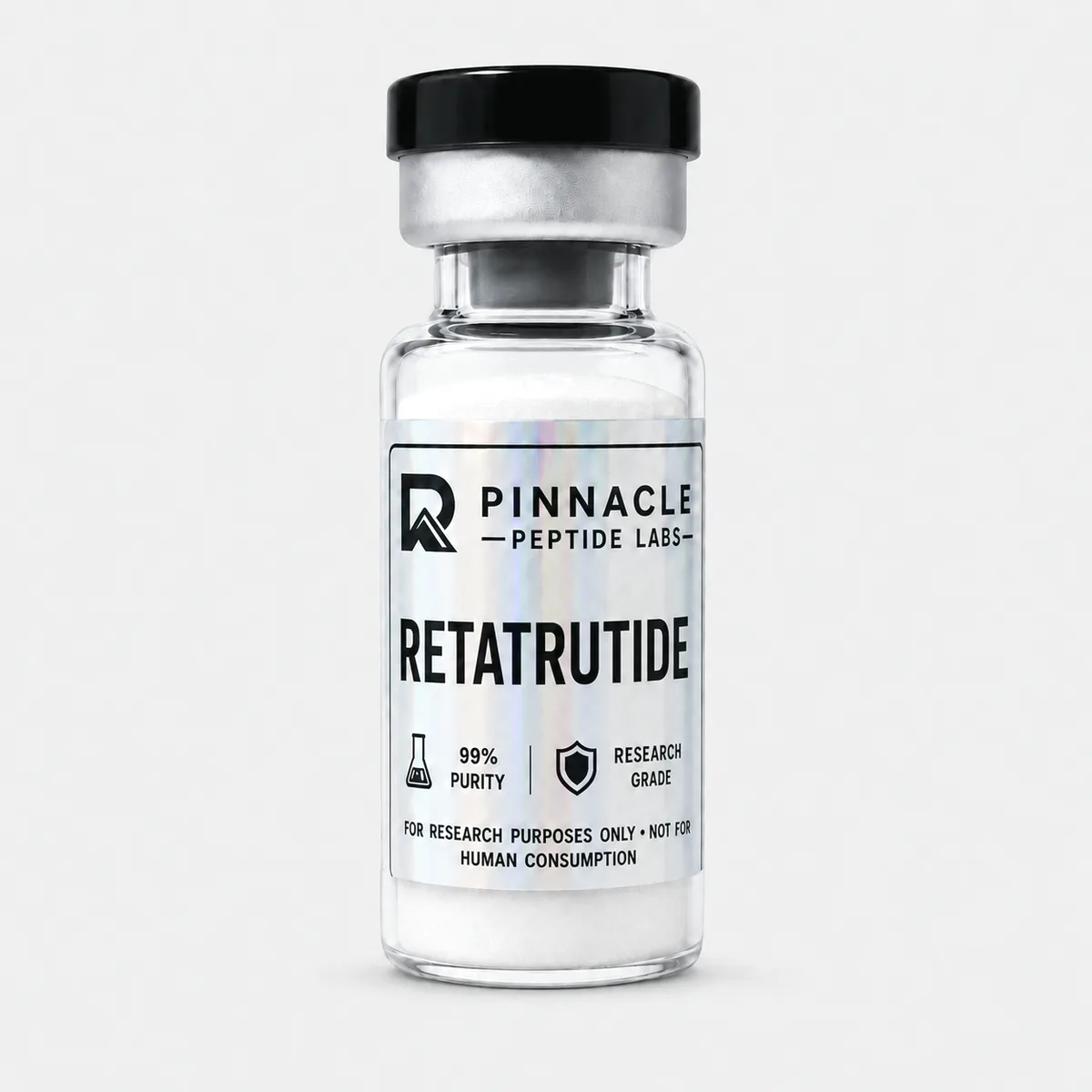
GLP-3RT 20mg
COA included, doctoral chemist tested
A next-generation triple-receptor agonist studied within metabolic, glucose-regulation, and energy-homeostasis research pathways.
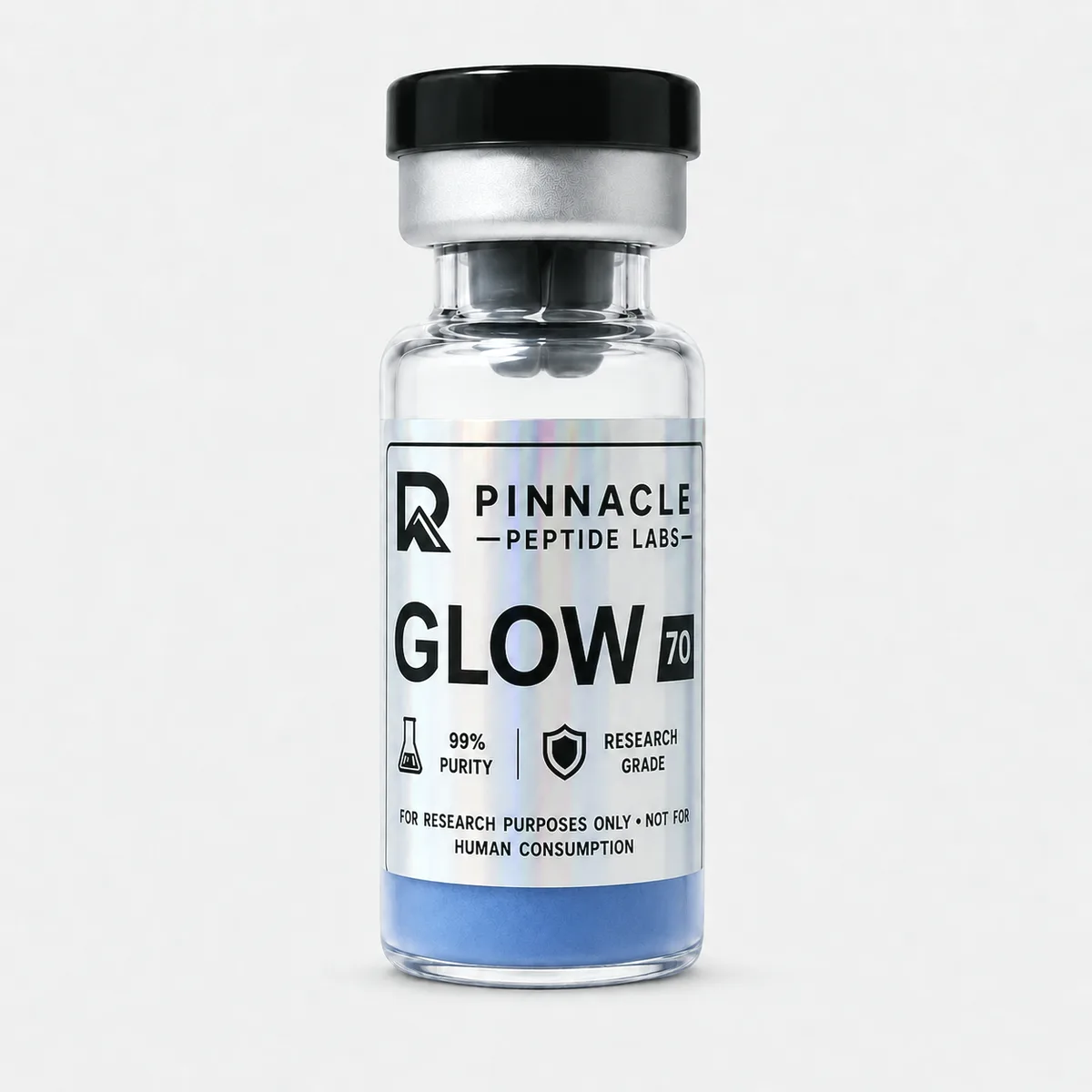
GLOW-70 70mg Blend
COA included, doctoral chemist tested
A tri-peptide research blend combining GHK-Cu, BPC-157, and TB-500, studied for tissue-repair and cellular-regeneration pathways.