Peptide Reconstitution and Storage: A Laboratory Guide
Lyophilized research peptides are reconstituted by slowly adding a suitable solvent (commonly bacteriostatic water) down the side of the vial, then gently swirling rather than shaking until dissolved. Store the unreconstituted powder at -20°C protected from light; refrigerate the reconstituted solution and use it within the window indicated on the Certificate of Analysis. Correct handling preserves purity and experimental reproducibility.
Choosing a reconstitution solvent
The reconstitution solvent depends on the peptide's solubility and the requirements of the research protocol. Bacteriostatic water is a common general-purpose choice for laboratory research because the benzyl alcohol it contains inhibits microbial growth in a multi-use vial. Some peptides require a different solvent for full solubility; always follow the guidance specific to the compound.
The reconstitution technique
Add the solvent slowly, directing the stream against the inner wall of the vial rather than directly onto the peptide pellet. Let it dissolve with a gentle swirl. Do not shake vigorously: mechanical agitation and foaming can denature or degrade sensitive peptides. If the solution does not clear, give it time at room temperature before concluding there is a solubility issue.
Storage temperatures and stability
Unreconstituted lyophilized powder is the most stable form and is typically stored at -20°C, protected from light and moisture. Once reconstituted, a peptide is in solution and less stable: it should be refrigerated and used within the timeframe indicated on its documentation. For longer holds, some laboratories aliquot and freeze to avoid repeated freeze-thaw cycles, which degrade peptides.
Handling practices that protect your data
Label aliquots with compound, lot, and date. Minimize freeze-thaw cycles. Keep solutions cold and shielded from light. These practices are not fussiness: degraded material introduces exactly the kind of hidden variable that makes research irreproducible, which is the same reason verified starting purity matters.
All products are intended strictly for in-vitro laboratory research and development use only. Not for human or veterinary use, not a drug, food, or cosmetic, and not intended to diagnose, treat, cure, or prevent any disease.
Related research peptides
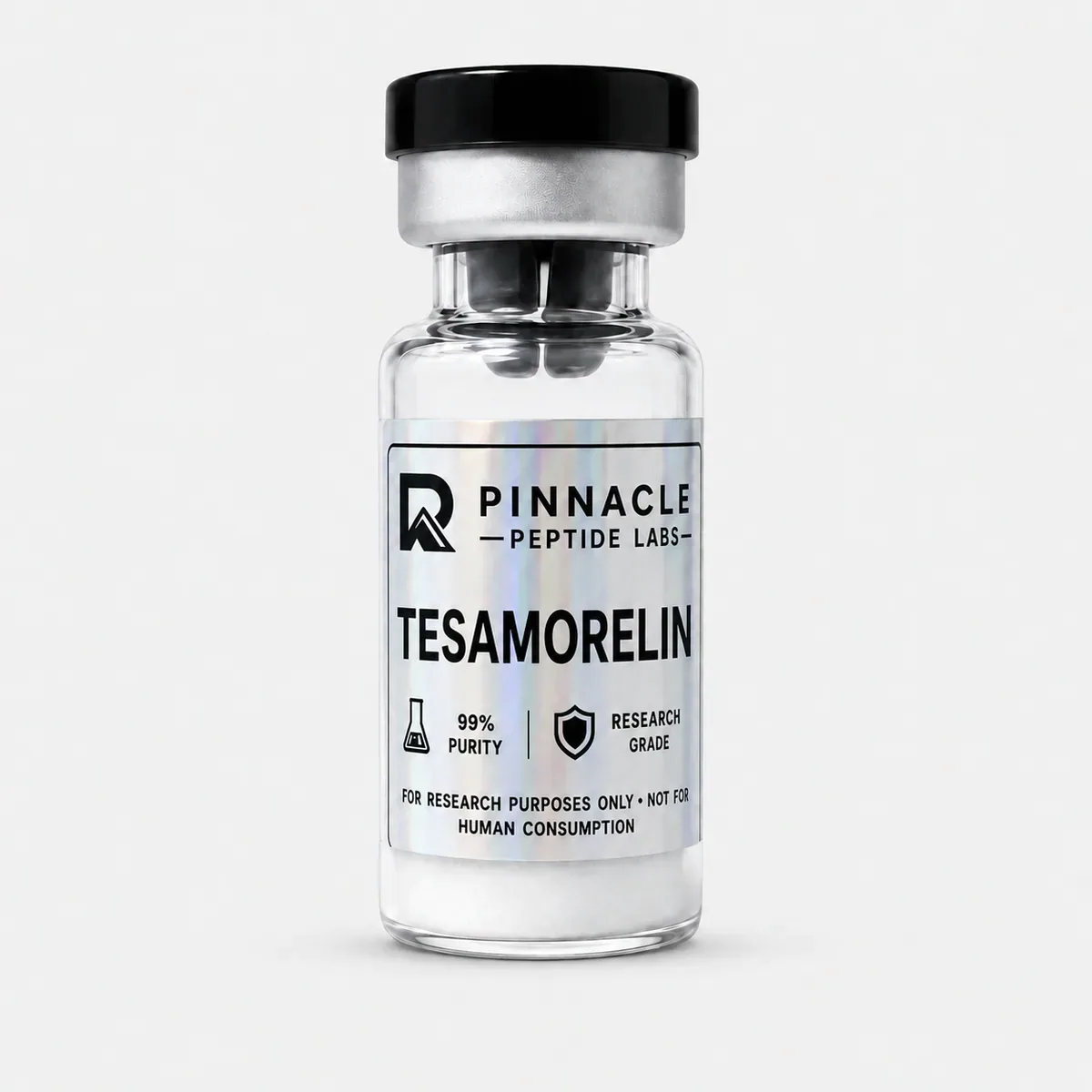
Tesamorelin 10mg
COA included, doctoral chemist tested
A stabilized growth hormone-releasing factor analog studied for its effects on GH secretion pathways in laboratory models.
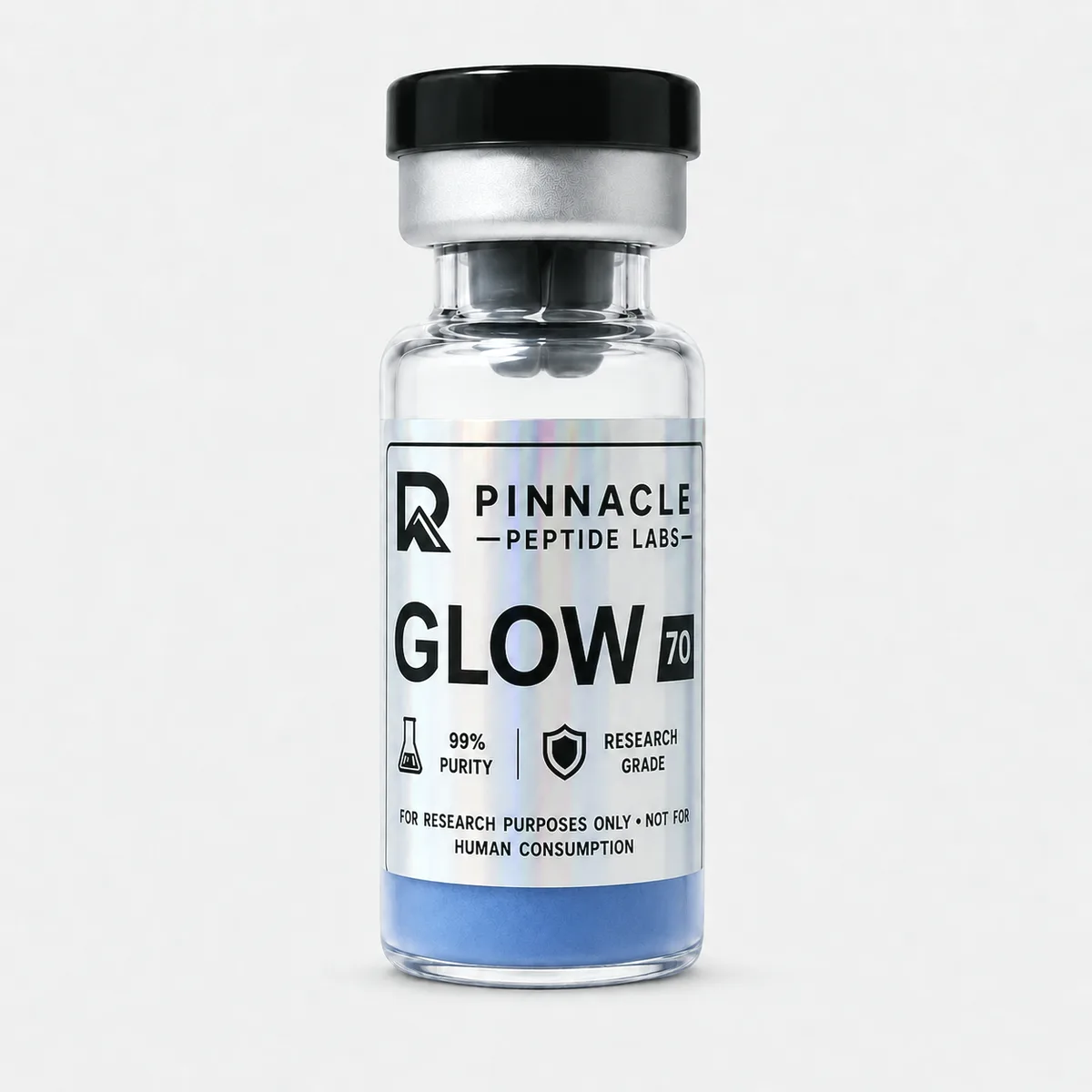
GLOW-70 70mg Blend
COA included, doctoral chemist tested
A tri-peptide research blend combining GHK-Cu, BPC-157, and TB-500, studied for tissue-repair and cellular-regeneration pathways.